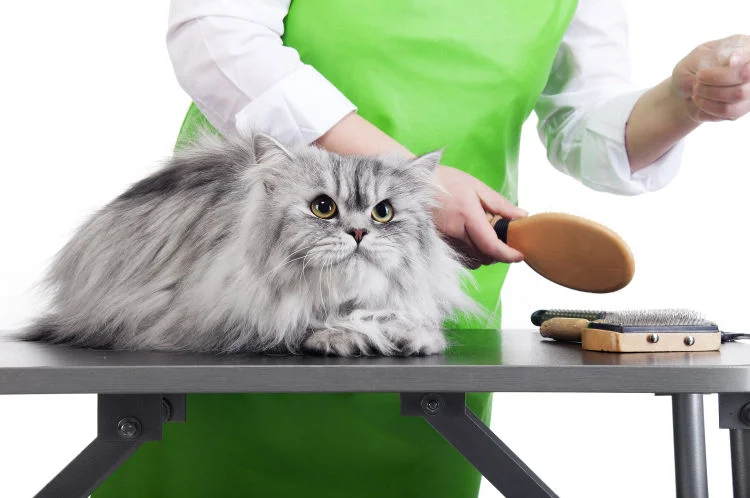
Regular cat grooming supports coat and skin health by removing loose fur, preventing mats, and distributing natural oils. It reduces shedding, minimizing hairballs and skin irritation, while aiding early detection of health issues. Grooming also promotes emotional well-being by reducing stress and fostering calmness cat grooming near me. Appropriate tools and routines vary by coat type and cat’s age. Understanding these benefits helps improve a cat’s comfort and strengthens the owner-pet bond. More details can enhance care practices and deepen connection.
Why Regular Cat Grooming Matters for Health and Happiness
Regular grooming is essential for maintaining a cat’s overall health and well-being. It helps prevent matting, reduces shedding, and minimizes hairballs, allowing cats to move freely and comfortably.
Grooming also supports skin health by distributing natural oils, which keeps the coat shiny and resilient. Beyond physical benefits, grooming sessions offer opportunities to monitor for signs of illness or injury, such as lumps, parasites, or skin irritations https://starlux.petuniverse.com/cat-grooming/. This proactive care promotes early detection and intervention.
Additionally, grooming can reduce stress and anxiety, fostering a sense of calm and security in cats. Ultimately, regular grooming enhances a cat’s quality of life, supporting both physical robustness and emotional stability, enabling cats to thrive independently and with ease.
Best Tools and Techniques for Cat Grooming
Effective cat grooming relies on selecting appropriate tools and employing proper techniques tailored to a cat’s coat type and temperament.
Short-haired cats benefit from soft-bristle brushes that remove loose fur without irritating the skin.
Long-haired cats require wide-toothed combs or slicker brushes to detangle and prevent mats gently.
For sensitive cats, using grooming gloves can provide a soothing experience while reducing shedding.
Regular, calm sessions help build trust and minimize stress.
Techniques include brushing in the direction of fur growth, avoiding excessive force, and paying attention to areas prone to tangling like behind the ears and under the legs.
Nail trimming should be done with a specialized clipper, ensuring only the tip is cut to avoid discomfort.
Proper tool choice and technique foster a grooming routine that respects a cat’s comfort and freedom.
When and How Often to Groom Your Cat
Typically, the frequency of grooming depends on a cat’s breed, coat length, and individual needs. Short-haired cats often require grooming once every two weeks, while long-haired breeds may benefit from daily sessions to maintain coat condition.
Kittens and elderly cats might need less frequent grooming, but close attention to their comfort and response is essential. Seasonal changes also influence grooming schedules, with increased frequency during shedding periods.
Observing the cat’s behavior and coat health guides adjustments in grooming routines. Flexibility in timing allows owners to respect the cat’s autonomy, making grooming a positive experience rather than a forced task.
Ultimately, tailoring grooming frequency to each cat’s unique characteristics fosters well-being without restricting their natural freedom.

How Regular Cat Grooming Prevents Hairballs and Matting
Frequently grooming a cat plays an essential role in reducing the accumulation of loose fur that can lead to hairballs and matting. By regularly removing shed hair, grooming minimizes the amount a cat ingests during self-cleaning, thereby lowering the risk of hairball formation. This preventive measure helps maintain digestive health and avoids discomfort caused by hairballs.
Additionally, grooming prevents mats—tangled fur that can cause skin irritation and restrict movement. Mats often develop in areas difficult for cats to reach, making human intervention essential. Consistent brushing keeps the coat smooth and free of knots, promoting healthy skin and fur.
How Grooming Strengthens Your Bond With Your Cat
Through gentle grooming sessions, a unique opportunity arises for cats and their owners to deepen their mutual trust and affection. This quiet, focused time allows cats to feel secure, while owners learn to read subtle cues about their pet’s comfort and preferences.
Consistent grooming fosters a predictable routine, providing cats with a sense of safety and freedom within their environment. The tactile interaction promotes relaxation, reducing stress and reinforcing a positive association with human contact.
Over time, this shared experience strengthens their bond, encouraging open communication and respect for boundaries. By valuing these moments, owners support their cat’s well-being and nurture a relationship built on trust, enhancing the freedom and harmony both seek in their companionship.
Conclusion
Regular cat grooming is essential for maintaining a cat’s health and well-being. It helps prevent hairballs and matting while promoting a clean, comfortable coat. Using appropriate tools and techniques guarantees effective grooming without stress. Consistent grooming routines not only support physical health but also nurture the bond between cat and owner. Understanding when and how often to groom enhances the overall experience, making grooming a beneficial practice for both cats and their caregivers.